
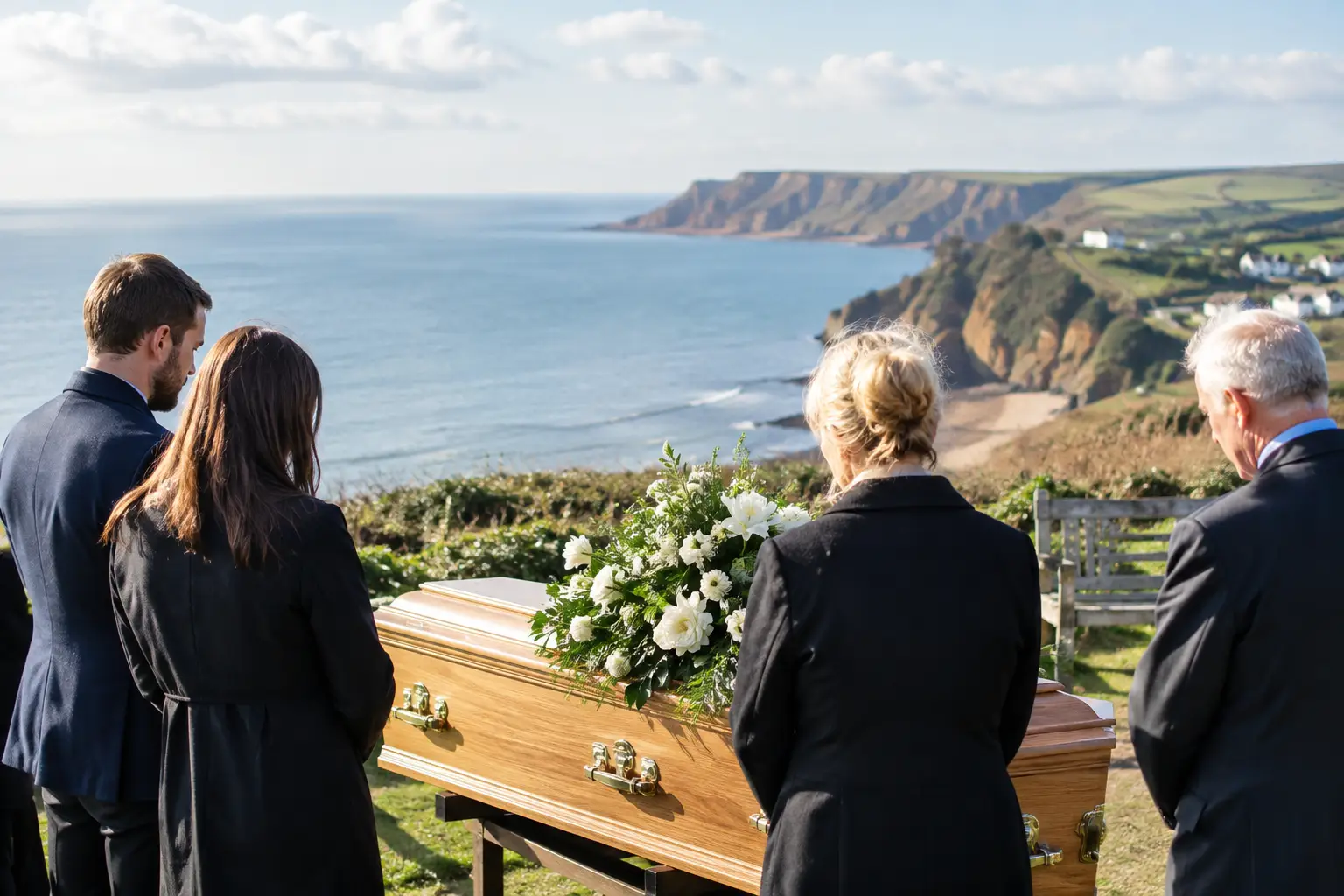

A funeral no longer has to follow one familiar pattern. While many families still find real comfort in a church service, a cortege and a gathering afterwards, others want a quieter farewell, a woodland burial, or a memorial held weeks later when everyone can attend. Changing funeral traditions UK families are choosing are not about doing less for the person who has died. More often, they are about making space for a goodbye that feels more like them.
For someone arranging a funeral for the first time, this greater choice can feel both reassuring and daunting. There is no single right way to mark a life. The most helpful starting point is usually to consider what mattered to the person, what will support those closest to them, and what is practical for the family.
Why funeral traditions are changing
Traditional funerals remain important to many people. Familiar words, hymns, a coffin carried into church and the presence of friends and neighbours can offer a sense of order at a time when life feels anything but orderly. For families with strong faith, military connections or long-standing local ties, these customs may be especially meaningful.
At the same time, society has become less uniform. Families may be spread across the country, have different beliefs, or want to reflect a loved one’s personality rather than follow a set format. Some people have clear wishes to avoid a formal ceremony; others want an occasion full of music, colour and stories.
Cost is also a genuine consideration. A meaningful funeral does not need to be elaborate, and many families are looking carefully at what they need and what they can afford. Clear prices and calm, practical guidance make it easier to choose without feeling pressured to include elements that do not feel right.
The pandemic also changed people’s experience of funerals. Restrictions showed many families that a small, intimate service can still be deeply moving, while a separate memorial can give a wider circle time and space to come together later. That flexibility has remained.
Simpler services, with meaning retained
One of the clearest changing funeral traditions in the UK is the growth in simple funerals and direct cremation. A direct cremation takes place without mourners attending the crematorium. It can suit someone who wanted no fuss, or a family who would rather create their own remembrance at a later date.
This choice is sometimes mistaken for an impersonal one. In reality, the personal element may simply happen elsewhere: a favourite walk along the coast, a meal at home, a gathering in a village hall, or an ash-scattering attended by the people who mattered most. It can be a gentler option for families who find the thought of a formal service overwhelming.
A simple attended cremation offers another middle ground. There may be fewer people present, a shorter service and fewer formal arrangements, but still a clear moment to say goodbye. Whether this is preferable depends on the family. Some need the shared act of being there when the coffin arrives; others feel more comfortable holding their remembrance later, in their own way.
Personal ceremonies are becoming more common
Personalisation is not new, but it is now central to many funeral plans. Families are choosing music that reflects a person’s tastes rather than selecting only traditional hymns. A celebrant, family member or friend may speak about their character, quirks, work, interests and relationships. Photographs, a favourite colour, flowers from a garden, or an item placed on the coffin can make the occasion feel recognisably theirs.
A celebration of life may take place at a crematorium, a church, a community venue or somewhere with personal significance. It does not have to be cheerful all the way through. Grief and gratitude often sit side by side, and a good service allows room for both.
There can be a practical balance to strike. Too many readings, songs or contributors may make a service feel rushed, particularly if a venue has a fixed time slot. A funeral director can help shape the ceremony so that the most important moments are not lost, while still keeping it manageable for those arranging it.
The role of faith and tradition
Choosing a more personal funeral does not mean leaving faith behind. A church funeral can include contemporary music and personal tributes. Equally, a civil ceremony can include a period of reflection, poetry or a familiar prayer where that feels right for the family.
Many people now combine traditions rather than choosing one approach entirely. A service in church might be followed by a less formal gathering. A cremation may be private, with a later memorial that includes readings and a eulogy. What matters is that the choices feel sincere, not that they fit a particular label.
Green funerals and natural burial choices
Environmental concerns are influencing funeral decisions across the UK. Some people wish to reduce the environmental impact of their funeral through a natural burial, a biodegradable coffin, locally grown seasonal flowers, or by avoiding unnecessary travel and printed materials.
A natural burial can be particularly meaningful for someone who loved the countryside or wanted their resting place to become part of a living landscape. The details vary between burial grounds, including whether a marker is permitted and how the grave is managed over time, so it is worth discussing these points before making a decision.
Green choices are not all-or-nothing. A family may choose a traditional funeral but use a willow coffin, ask for donations rather than floral tributes, or arrange fewer cars. Small decisions can still reflect a person’s values without creating extra worry for those left behind.
Ashes are creating new ways to remember
For families choosing cremation, the funeral service and the final resting place do not need to happen on the same day. This has opened up more possibilities for thoughtful, unhurried remembrance.
Some families keep ashes for a time before deciding what feels right. Others arrange an ash scattering in a meaningful place, subject to permission where needed, or inter ashes in a cemetery, churchyard or dedicated garden. A small private ceremony can be especially comforting when relatives could not travel for the funeral itself.
In East Devon, the sea, river and countryside often hold strong personal memories. A carefully planned ash scattering or celebration of life cruise can offer a peaceful setting for a final farewell. The setting should never replace the care taken over the moment itself: it helps to agree who will say a few words, whether music is wanted, and how everyone will get there and home again.
What does not change
With so many options, it can be easy to focus on the arrangements and forget the deeper purpose of a funeral. The need for dignity, respect and human care has not changed. Neither has the value of being listened to when decisions feel difficult.
Families do not have to decide everything immediately. If wishes were not written down, it is all right to take time, ask questions and make the best decision with the information available. A funeral can honour a person even when those closest to them disagree on some details. Often, a compassionate compromise is better than trying to create a perfect occasion under pressure.
At Otter Valley Funerals, the aim is to give families clear choices without losing the personal support that matters most. Whether the right farewell is traditional, simple, green or entirely individual, it should leave those attending with the feeling that the person was treated with care.
The most enduring tradition may be the simplest one: gathering, in whatever form feels right, to acknowledge that someone mattered and that their life deserves to be remembered.