

A burial can offer families a place to visit, remember and mark a life in a very personal way. Yet when a death has just occurred, the range of burial options can feel difficult to take in. There is no single right choice. What matters is finding an arrangement that honours the person who has died, feels manageable for those closest to them and meets any practical, religious or financial needs.
For some families, that means a traditional grave with a headstone. For others, it may be a quiet natural burial in a woodland or meadow setting, or a burial in a churchyard with strong family connections. Taking things one decision at a time can make the process feel less daunting.
Understanding the main burial options
A funeral director can explain what is available locally, but the final choice often begins with a simple question: what would have felt most like them? Their wishes may have been written down, spoken about over the years, or become clear through their beliefs and way of life. If no preferences are known, families can make a thoughtful decision based on what brings comfort and meaning.
Traditional cemetery burial
A traditional burial usually takes place in a cemetery or burial ground. The coffin is lowered into a grave, followed by a graveside committal if the family wishes. The funeral service may happen beforehand at a church, a service venue or at the graveside itself.
Many people value the permanence of a marked grave. It can provide a familiar place for anniversaries, birthdays and quiet visits, and it may allow other close relatives to be buried or have their ashes interred nearby in the future, subject to the cemetery’s rules.
There are several kinds of grave to ask about. A new private grave is generally purchased for the use of one family, while a reopened grave may be suitable where a relative already has burial rights. Some cemeteries also offer lawn graves, where memorials follow a set style and the wider area is maintained as grass, or more traditional sections with greater flexibility over kerbs and planting.
It is worth checking what is included in the burial fees. In most cases, a family is buying the exclusive right of burial for a fixed period rather than buying the land itself. Fees may cover the grave, its opening and closing, and sometimes a contribution towards maintenance. A memorial, inscription and future reopening are normally separate costs.
Churchyard burial
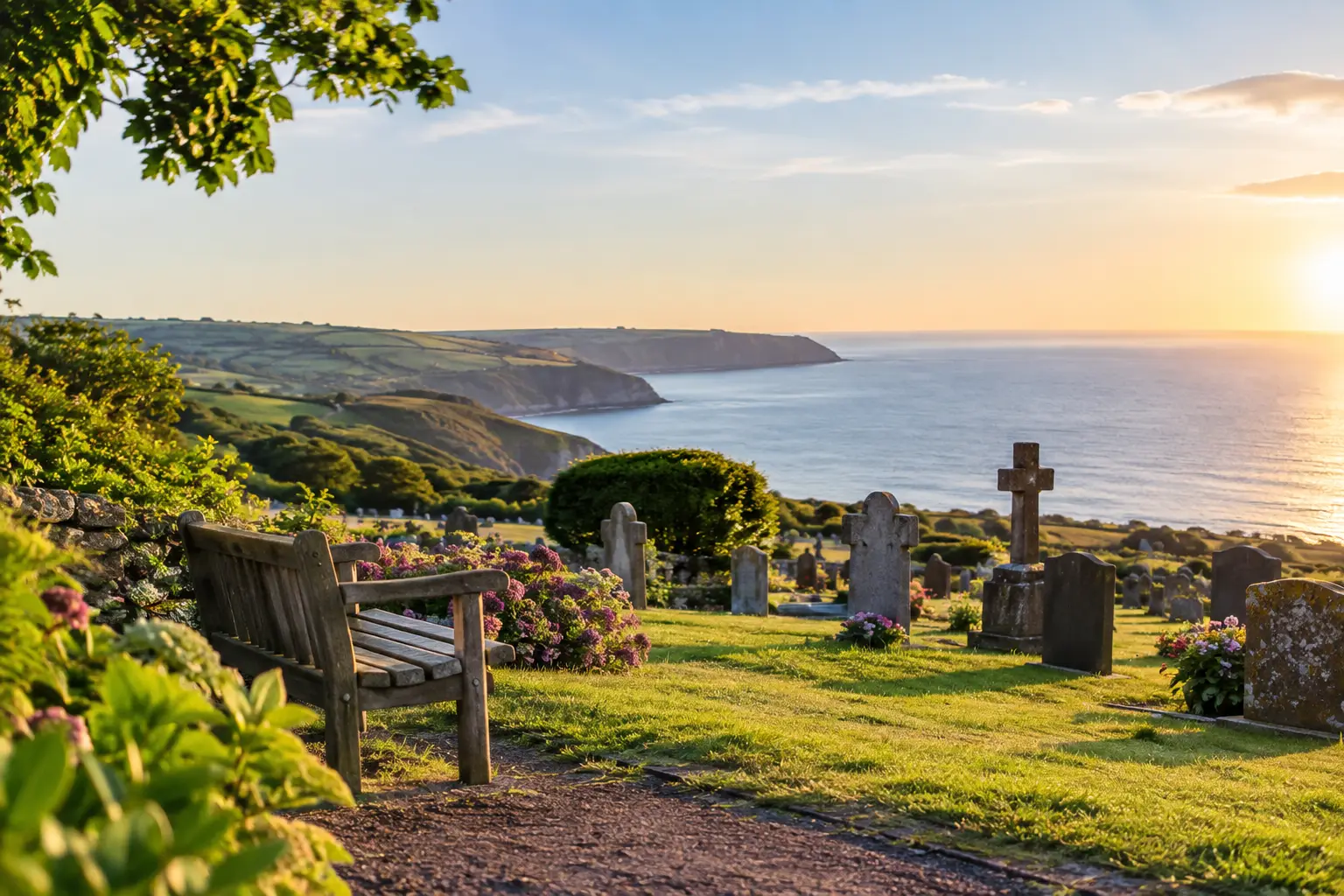
For those with a connection to a parish church, burial in a churchyard can feel especially fitting. It may reflect a person’s faith, their place in the community or a long-standing family tradition. Church funerals can include a service in the church followed by a committal outside, with family and friends walking together to the grave.
Churchyards have their own regulations, particularly around memorial size, materials and wording. Space can also be limited, and eligibility may depend on parish connections. Your funeral director can help you approach the church and understand the arrangements, allowing you to focus on the service and the people around you.
Natural and green burial
Natural burial is often chosen by people who cared deeply about the environment or preferred a less formal setting. It takes place in a designated natural burial ground, which may be woodland, meadow or another carefully managed landscape. The setting is usually peaceful, with native planting and a lighter visual impact than a conventional cemetery.
The exact approach varies between sites. Some require a biodegradable coffin, shroud or casket, and may restrict plastic, embalming fluids, metal fittings and artificial flowers. Many do not permit traditional headstones. Instead, the grave may be identified by GPS coordinates, a discreet plaque, a tree or simply the family’s knowledge of the location.
This can be a beautiful choice, but it is helpful to consider the trade-offs. A natural burial ground may be further from home, may look different through the seasons, and might not provide an individual permanent marker. Families should also ask how the land is protected and managed for the future, what visiting access is like, and whether flowers or small tributes can be left.
Burial in an existing family grave
An existing family grave can bring generations together and may reduce the need to purchase a new plot. Before this can happen, the cemetery or churchyard will need to confirm that there is space and that the person arranging the funeral has the legal right to authorise another burial.
The registered grave owner, sometimes called the deed holder, has an important role. If they have died, the burial rights may need to be transferred before arrangements can proceed. This is usually straightforward, but it can take time if paperwork is missing or several family members are involved. Raising the question early gives everyone the best chance of making the arrangements they want.
Choosing between burial options with care
The practical details matter, but a funeral should not be reduced to a checklist. Start with the wishes of the person who has died, then think about who will want to visit and what will bring the family peace in the years ahead. A nearby cemetery may be reassuring for regular visits, while a natural setting may better reflect a loved one’s character.
Faith and culture may shape the decision too. Some religious traditions have clear requirements around burial, timing and the form of the service. A considerate funeral director will listen carefully, make the necessary enquiries and work respectfully with faith leaders and burial grounds.
Budget is another honest consideration. Burial is often more expensive than cremation because of grave purchase, burial fees and memorial costs, particularly where land is in high demand. However, costs vary widely between burial grounds and according to the arrangements chosen. A simple graveside funeral may feel completely right, while another family may choose a church service, hearse, flowers, order of service sheets and a memorial at a later date. Asking for a clear written estimate helps you understand each element without pressure.
It can also help to separate decisions that must be made now from those that can wait. The burial ground and funeral arrangements need to be confirmed before the funeral, but a headstone does not usually need to be chosen immediately. Many families prefer to allow time before deciding on wording, design and inscription.
Planning the service around the burial
A burial funeral can be formal, traditional, simple or entirely individual. A service might include hymns, readings and prayers, or it may centre on favourite music, personal memories and contributions from family members. Some people choose a full church service; others prefer a short gathering at the graveside followed by time together elsewhere.
The committal is often the most emotional part of the day. Knowing what will happen can offer reassurance. The coffin is carried or taken to the grave, a few words are said, and flowers may be placed on top. Family members can choose whether to remain until the grave is filled, leave after the committal, or return later in private. There is no expected response to grief, and there is no need to follow a format that does not feel right.
At Otter Valley Funerals, families are given clear, personal guidance through these choices, from speaking with local burial grounds to shaping a service that feels true to the person being remembered. Having someone experienced alongside you can make room for the memories that matter most.
If you are arranging a burial in Exmouth, Budleigh Salterton or the surrounding area, it may be helpful to write down the questions that are on your mind before making decisions. Ask about availability, grave rights, fees, access, memorial rules and what can happen in the future. A calm conversation can turn uncertainty into a plan that feels respectful and manageable.
The most meaningful burial is not defined by how elaborate it is. It is the one that gives a family the space to say goodbye in a way that feels honest, loving and right for the life that has been lived.