

A funeral does not have to follow a fixed pattern. Across the country, funeral trends UK families are choosing reflect a simple wish: to say goodbye in a way that feels right for the person who has died, while keeping practical decisions manageable for those left behind.
For some, that means a traditional church service and burial, with familiar hymns and a gathering afterwards. For others, it means a quiet direct cremation, a woodland burial, or a celebration held weeks later when relatives can be together. None of these choices is more caring than another. The most meaningful funeral is usually the one that reflects the person, their family and their circumstances.
Funeral trends UK families are seeing
One of the clearest changes is a move away from the idea that every funeral must look the same. Families are taking more time to consider what would have mattered to their loved one: faith, music, nature, friendship, service to the community, or simply an unpretentious gathering with the people closest to them.
This does not mean tradition is disappearing. Church funerals, burial services and formal crematorium services remain deeply important to many people. A traditional format can provide reassurance at a time when little else feels certain. But it is increasingly common to adapt the details, perhaps choosing favourite music alongside a hymn, asking a grandchild to read a poem, or arranging a more informal reception afterwards.
Personalisation works best when it is purposeful rather than elaborate. A photograph, a flower from the garden, a familiar piece of music or a well-chosen reading can say far more than trying to include every possible tribute. Families should not feel pressure to create a perfect event while grieving.
Simpler funerals and direct cremation
Cost is an understandable consideration, particularly when a death has come unexpectedly or there are limited funds available. This has led more people to explore simple cremations and direct cremation, where the cremation takes place without a service or mourners present.
For some families, this is the most appropriate choice. The person who died may have been private, practical or clear that they did not want a formal ceremony. It can also give relatives the freedom to hold a memorial at a later date, in a place and at a time that suits them. A family might gather at home, arrange a lunch, hold a service in a church, or scatter ashes somewhere meaningful.
The trade-off is that a direct cremation does not offer the shared moment of farewell that a service can provide. Some people find that entirely right; others later value having had a chance to come together around the time of the funeral. There is no universal answer. It helps to ask what will support the people closest to the person who has died, not just what is easiest to arrange on the day.
A simpler funeral need not feel impersonal. Clear communication, respectful care and time to ask questions matter whatever level of service a family chooses.
Greener choices with genuine meaning
Environmental concerns are shaping many funeral decisions, especially among people planning ahead. Green funerals and natural burials can offer a quieter, less formal alternative, often with an emphasis on natural materials and a setting that will become part of the landscape over time.
A natural burial may appeal to someone who loved the countryside or preferred the thought of returning to nature. Choices can include biodegradable coffins or shrouds, wildflower tributes instead of large floral arrangements, and services held outdoors. However, green does not have to mean a particular type of funeral. A family may make smaller changes within a cremation or traditional burial, such as selecting seasonal flowers, avoiding plastic items and choosing locally made arrangements.
It is worth discussing the practical details before making decisions. Natural burial grounds have their own rules on memorials, grave marking and visiting, while crematoriums may have specific requirements for coffins and tributes. A good funeral director can explain the options without making families feel that they must choose a greener route to demonstrate their love.
Celebrations of life are becoming more individual
The phrase ‘celebration of life’ is now widely used, but it can mean many things. For one family, it may be a bright, music-led ceremony full of stories and laughter. For another, it may be a gentle gathering after a short service, with a favourite drink, photographs and time to talk.
There is room for warmth and even humour at a funeral when it reflects the person who has died. Laughter does not lessen grief. Often, it sits alongside it. At the same time, no family should feel that a celebration has to be cheerful throughout. A meaningful farewell can be solemn, joyful, quiet or all three.
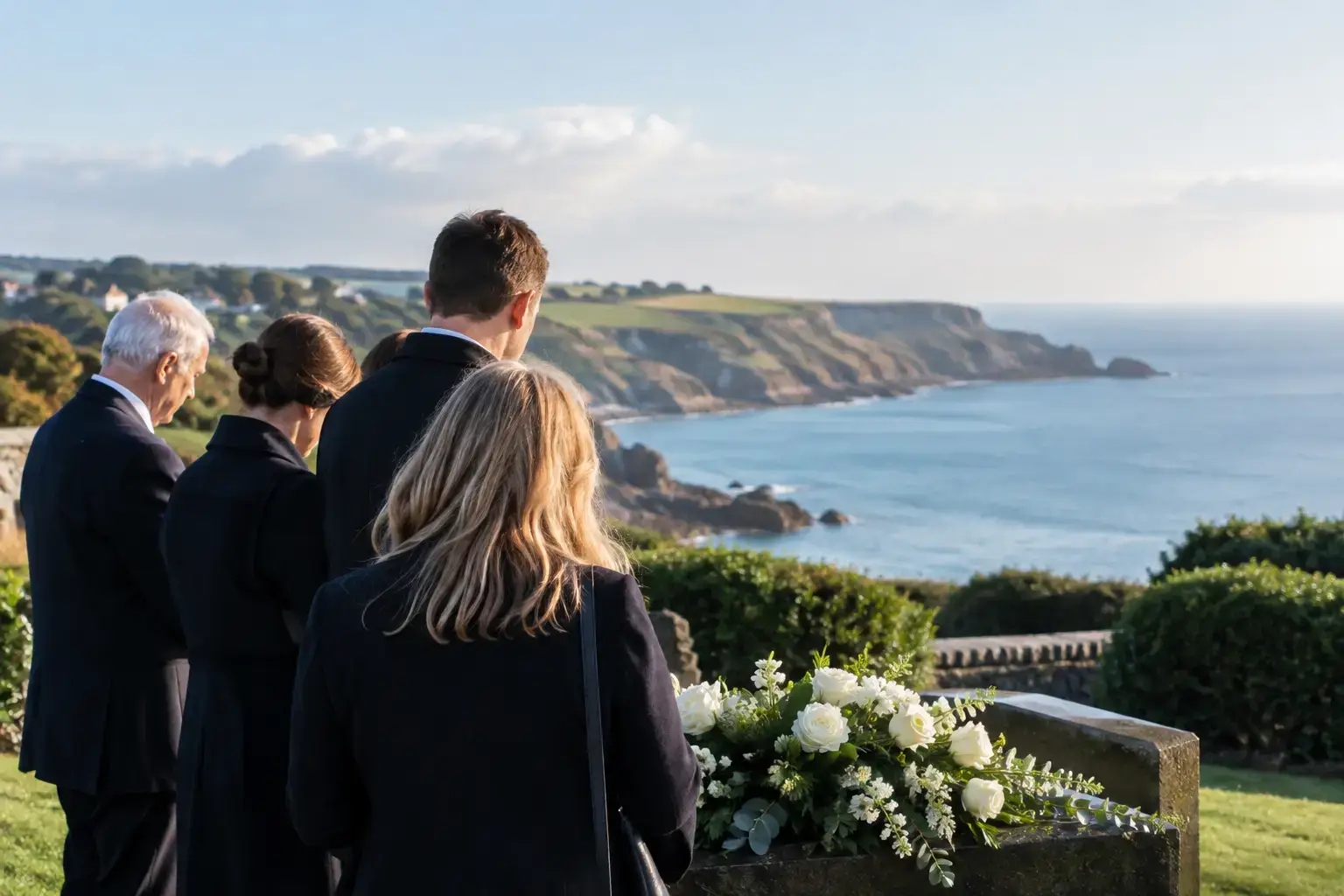
Venue choices are widening too. Alongside churches, crematorium chapels and gravesides, families may choose a village hall, hotel, garden, community venue or a memorial gathering by the coast. In East Devon, a celebration of life cruise or a carefully planned ash scattering can offer a fitting option for someone with a strong connection to the sea. These arrangements need thoughtful planning, particularly around weather, access and permissions, but they can create a memorable sense of place.
More involvement from family and friends
Many people now want to take an active part in the ceremony rather than simply attend it. This may mean carrying the coffin, writing a tribute, leading a reading, creating an order of service or choosing music together. Such involvement can be comforting, giving people a tangible way to show care.
It is equally acceptable to leave these responsibilities to others. Not everyone can speak in public or make decisions while in shock. A compassionate funeral arrangement allows people to contribute in the way they can, whether that is choosing one song, bringing a photograph, or being present without having to do anything at all.
Technology has a role too. Webcasting can help relatives who are too unwell, far away or unable to travel attend from a distance. Recorded music and digital photo tributes are common choices. They should support the occasion, rather than distract from it. Simple, reliable arrangements are generally preferable to trying to include too much.
Planning ahead is less taboo
Another significant shift is that more people are talking about their own funeral wishes before they die. This can be a difficult conversation, but it is often a generous one. Knowing whether someone preferred burial or cremation, wanted a religious service, or hoped for a modest funeral can lift uncertainty from the people who will eventually arrange it.
Planning ahead does not require every detail to be fixed. A short note can be enough: the type of service preferred, any faith or cultural wishes, a favourite piece of music, and who should be involved. It is also wise to tell someone where this information is kept.
Pre-planning can help with costs, but families should take care to understand exactly what is included in any arrangement and which charges may fall outside it. Transparent advice is particularly valuable here. The aim is peace of mind, not pressure to make a decision before someone is ready.
Choosing what feels right
The strongest trend is not towards any single type of funeral. It is towards choice, honesty and greater confidence in doing things differently. A funeral can be traditional and personal, affordable and dignified, environmentally considered and warmly human.
At Otter Valley Funerals, families are encouraged to take the time they need and to ask straightforward questions. Whether you are arranging a funeral now or thinking ahead, begin with the person at the heart of it all. Their character, their relationships and the ways they touched other lives are often the clearest guide to a farewell that feels true.